
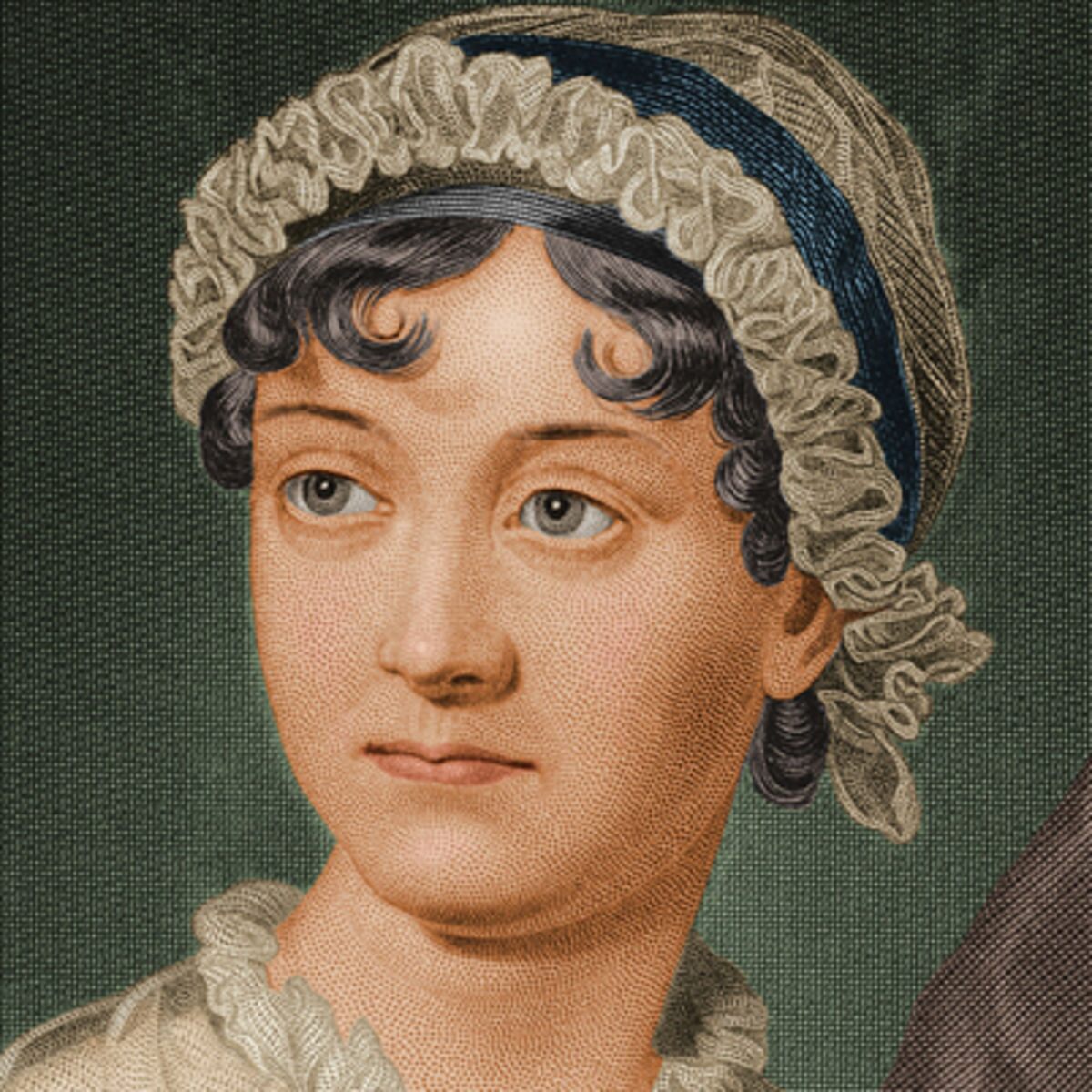
Teaching history to students is no easy task. Professor Patricia Matthews struggles to teach Jane Austen novels in a multicultural classroom. She’s adapts and learn how’s to engage to all of her students about an individual that she idolized. In her article, she explains the many methods, “that moved me away from a somewhat traditional engagement with the history of the novel”.[1]
Beauchamp, Gorman. “Zora Neale Hurston’s Other Eatonville.” (The Texas Review 32, no. 3–4 2011), 75–87.
French, Scot. “Social Preservation and Moral Capitalism in the Historic Black Township of Eatonville, Florida: A Case Study of “Reverse Gentrification”.” (Change Over Time 8, no. 1 2018), 54-72.
Halsey, Katie. Jane Austen and Her Readers, 1786–1945. Anthem Press, 2012.
Manigault-Bryant, James A., and Lerhonda S. Manigault-Bryant. “Conjuring Pasts and Ethnographic Presents in Zora Neale Hurston’s Modernity.” (Journal of Africana Religions 4, no. 2 2016), 225-235.
Matthew, Patricia A. “Jane Austen and the Abolitionist Turn.” (Texas Studies in Literature and Language 61, no. 4 2019), 345-361.
[1]Patricia Matthew, “Jane Austen and the Abolitionist Turn”, (Texas Studies in Literature and Language 61, no. 4 2019), 345

 Mostly History